What we recover from your operations.
Typical scrap streams from oil and gas, marine and industrial sites, graded and accounted for on every load. Ask us about anything not listed.
- Grade catalogue
- Ferrous, alloy and non-ferrous grades, from heavy steel to copper cable
- Every load
- Inspected, segregated and weighed before it is valued
- Kept out of scrap
- Scheduled waste, routed to licensed handlers
The scrap streams we recover most.
The scrap our clients generate most often. Each stream is graded further on inspection, as set out in the catalogue below.
- Ferrous
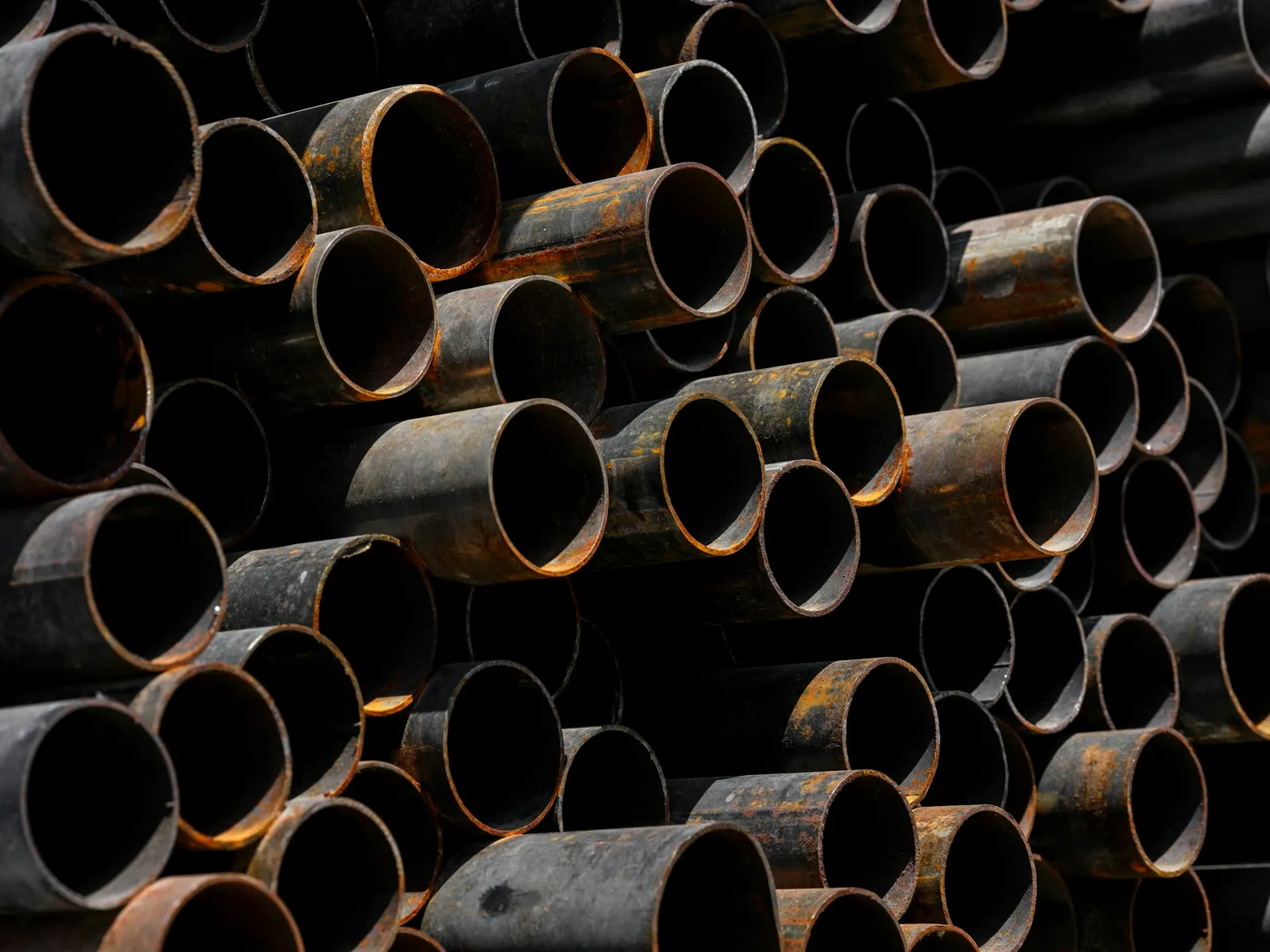
Drill pipe, casing and tubing
- Typical sources:
- Rejected and retired OCTG
- Graded as:
- Tubulars, chain and wire rope
- Ferrous
Structural steel and HMS
- Typical sources:
- Topsides, jackets, skids, platforms
- Graded as:
- Heavy melting and structural steel
- Ferrous
Mooring chain and wire rope
- Typical sources:
- Vessels, ports, offshore moorings
- Graded as:
- Tubulars, chain and wire rope
- Ferrous
Plate and section offcuts
- Typical sources:
- Fabrication yards and workshops
- Graded as:
- New production steel, cast iron and turnings
- Ferrous alloy
Stainless steel
- Typical sources:
- Piping, vessels, process equipment
- Graded as:
- Stainless and alloy steel
- Non-ferrous
Copper and aluminium cable
- Typical sources:
- Power and control cable, busbars
- Graded as:
- Insulated cable
- Non-ferrous
Brass and bronze
- Typical sources:
- Valves, fittings, propellers, bushes
- Graded as:
- Brass and bronze
- Non-ferrous
Aluminium
- Typical sources:
- Gangways, extrusions, cladding, hulls
- Graded as:
- Aluminium
How we grade and account for your scrap.
Value in scrap depends on what the metal is and how clean it is. We grade every load before it is valued, so a mixed load is never settled at the grade of its lowest part.
Inspection
We inspect the material on site or at our yard, identify the metal and alloy family, and note coatings, attachments and contamination.
Segregation
Each grade is kept apart, at source where possible, so high-value metal is not lost in a mixed load.
Weighing
Every load is weighed on a weighbridge and ticketed, and each ticket is matched to the grade it carries.
Value per grade
The commercial basis for each grade is agreed in our proposal and your contract before work starts. Settlement follows the weighbridge tickets.
The grades below are typical trade categories. The grade of each load is confirmed on inspection, and the commercial basis for each grade is agreed in your contract once we have seen the material.
Grade catalogue.
The grades we recover and account for, grouped as a mill or furnace would receive them, with what sets each grade apart and where it usually comes from.
Heavy melting and structural steel
FerrousThe bulk of most industrial scrap. Graded by thickness, cleanliness and how well it is prepared for the furnace.
| Grade | Notes | Typical sources |
|---|---|---|
| Heavy melting steel 1 (HMS 1) | Wrought steel of 6 mm and over, free of coatings and attachments, cut to charging size. | Jackets, skids, heavy structures, demolition steel |
| Heavy melting steel 2 (HMS 2) | Lighter wrought steel under 6 mm, including light black steel. May carry light coatings. | Cabinets, ducting, light frames, tanks once cleaned |
| Plate and structural | Heavy plate, beams, channels and angles, cut to length for the mill. Valued above HMS for its density. | Topsides, platforms, cranes, building frames |
| Light iron and sheet | Thin sheet, panels and light sections. Kept apart from heavy steel so it does not pull a load down a grade. | Racking, enclosures, cladding, office and plant refits |
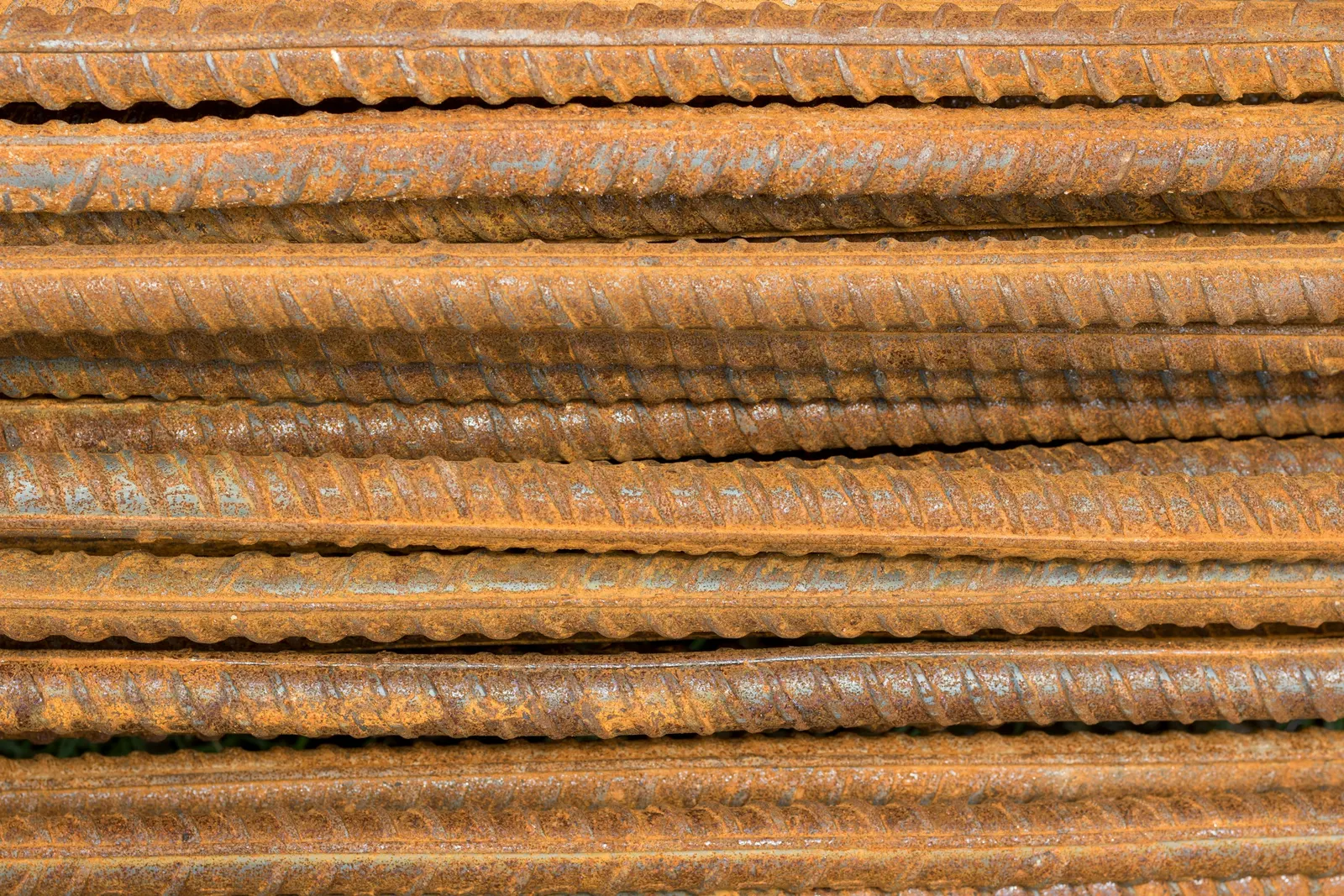
| Reinforcing bar | Rebar with concrete knocked off. Bar still heavily encased in concrete is graded lower. | Construction sites, demolition, civil works |
Tubulars, chain and wire rope
FerrousHeavy, well-defined steel from oil and gas, marine and rail operations, often in long lengths that are cut on site.
| Grade | Notes | Typical sources |
|---|---|---|
| Drill pipe, casing and tubing | Rejected and retired OCTG. Pipe carrying oily residue or scale is set aside and handled as scheduled waste. | Supply bases, onshore yards, drilling contractors |
| Line pipe and process piping | Carbon steel pipe, flanges and fittings, drained and free of process residue before collection. | Pipelines, refinery and plant turnarounds |
| Mooring chain and anchors | Studlink and studless chain and anchors. Dense, high-grade steel, cut to length for transport. | Vessels, ports, offshore moorings |
| Wire rope | Steel rope from cranes, winches and moorings. Graded on its own, and heavily greased rope is assessed on inspection. | Cranes, winches, offshore and port operations |
| Rail, wheels and axles | Rail sections, wheelsets, axles and bogie steel, cut to transport size. | Track renewals, rail depots, retired rolling stock |
New production steel, cast iron and turnings
FerrousProduction scrap of known origin, and cast or machined steel that mills take as separate grades.
| Grade | Notes | Typical sources |
|---|---|---|
| Plate and section offcuts | Clean, uncoated new steel. Its known composition makes it worth more than used steel. | Fabrication yards and workshops |
| Press-shop skeleton and clippings | New sheet steel left from stamping. Kept free of mixed waste to hold its grade. | Automotive plants and component suppliers |
| Cast iron | Engine blocks, pump casings, valve bodies, pipe and brake drums. Graded apart from steel. | Plant overhauls, workshops, automotive |
| Manganese steel | Crusher liners, bucket teeth and wear parts. Kept separate because manganese content changes its use and value. | Mines, quarries, heavy equipment |
| Steel turnings and borings | Machining swarf, accepted dry and free of excess cutting fluid. | Machine shops and manufacturing plants |
Stainless and alloy steel
Ferrous alloyGraded by alloy family, because nickel and molybdenum content set the value. Unidentified alloy is kept apart until it is confirmed.
| Grade | Notes | Typical sources |
|---|---|---|
| 304 type stainless | Austenitic chromium nickel stainless in clean solids, sheet and pipe. | Process plant, tanks, food grade and palm oil mill equipment |
| 316 type stainless | Molybdenum-bearing stainless, graded separately from 304 for its higher alloy content. | Offshore piping, chemical and marine service |
| Duplex and high-alloy steel | Duplex, super duplex and other high-alloy items, identified and kept apart from standard stainless. | Subsea and topsides piping, valves, process equipment |
| 400 series stainless | Magnetic chromium stainless with little or no nickel, graded below the 300 series. | Exhaust systems, trims, some valves and pump parts |
| Stainless pipe, fittings and vessels | Stainless items with steel attachments or residue, graded once attachments are removed. | Refinery turnarounds, heat exchanger shells, tanks |
| Stainless turnings | Machining swarf, kept separate by alloy family and free of carbon steel. | Machine shops and valve manufacturers |
Copper
Non-ferrousThe most valuable stream on most sites. Graded by purity, so clean copper is never mixed with coated or alloyed material.
| Grade | Notes | Typical sources |
|---|---|---|
| Bright copper wire | Bare, clean, uncoated and unalloyed copper wire with no burnt or oxidised surface. | Stripped power cable, busbar offcuts, electrical works |
| Number 2 copper wire | Tinned, coated or lightly oxidised copper wire. Clean, but below bright wire. | Control panels, motors, older installations |
| Heavy copper and busbar | Solid copper bar, plate and busbar, free of attachments. | Switchgear, substations, power distribution |
| Copper tube | Copper pipe and tube, clean or with fittings. Fittings and solder lower the grade. | Air conditioning, building services, instrument lines |
| Copper with attachments | Copper-bearing items with steel, brass or plastic attached, graded on the recoverable copper. | Radiators, coolers, mixed electrical scrap |
Insulated cable
Non-ferrousGraded by conductor metal and by how much of the cable weight is metal, which depends on its size and construction.
| Grade | Notes | Typical sources |
|---|---|---|
| Power cable, copper conductor | Single and multicore cable with large copper conductors and a high metal yield. | Power distribution, plant electrical upgrades |
| Armoured cable | Copper or aluminium cable with steel wire or tape armour, graded on conductor and armour. | Offshore and plant power systems, buried cable |
| Control and instrument cable | Multicore cable with fine copper conductors and a lower metal yield. | Control rooms, instrument loops, platforms |
| Data and telecom cable | Fine copper data and telephone cable, kept apart from power cable. | Data halls, telecom networks, office refits |
| Aluminium conductor cable | Insulated aluminium cable, graded separately from copper cable. | Distribution networks, building services |
| Overhead conductor | Bare aluminium conductor, including conductor with a steel core, graded on its steel content. | Transmission and distribution lines, rail overhead lines |
Aluminium
Non-ferrousGraded by alloy type and finish. Painted, cast and attached material is kept apart from clean wrought aluminium.
| Grade | Notes | Typical sources |
|---|---|---|
| Clean extrusion | Unpainted aluminium sections with no attachments, plastic or thermal breaks. | Walkways, handrails, frames, fabrication offcuts |
| Painted extrusion | Painted or coated sections, free of steel and glass. | Cladding, window and door frames, refits |
| Sheet and plate | Wrought aluminium sheet and plate, including marine grade. | Vessel superstructures, hulls, gangways, panels |
| Cast aluminium | Castings, housings and wheels, graded apart from wrought aluminium. | Engines, gearboxes, pump housings, vehicles |
| Aluminium with attachments | Aluminium items carrying steel bolts, hinges or fittings, graded on the recoverable aluminium. | Ladders, gangways, ground support equipment |
| Aluminium turnings | Machining swarf, accepted dry and kept separate by alloy where possible. | Machine shops and manufacturing plants |
Brass and bronze
Non-ferrousCopper alloys graded by type, since brass, gunmetal and bronze go to different mills and foundries.
| Grade | Notes | Typical sources |
|---|---|---|
| Yellow brass | Clean brass solids, fittings and castings, free of steel and plating. | Fittings, connectors, instrument parts |
| Gunmetal and red brass | Higher copper alloys used for valves and pump bodies, graded above yellow brass. | Valves, pump casings, marine fittings |
| Bronze | Bronze castings, bushes and bearings, kept apart from brass. | Propellers, bushes, bearings, sea water systems |
| Brass valves with attachments | Valves and fittings carrying steel handles, stems or bolts, graded on the recoverable alloy. | Plant and pipework replacement, turnarounds |
| Brass turnings | Machining swarf, accepted dry and free of steel and other turnings. | Machine shops and fitting manufacturers |
Equipment and mixed metal
Mixed metalRetired equipment that holds several metals. We dismantle or grade it so each metal is recovered at its own value.
| Grade | Notes | Typical sources |
|---|---|---|
| Electric motors | Motors and generators, graded whole on their copper windings and steel casings. | Plant overhauls, pumps, compressors, cranes |
| Transformers and switchgear | Accepted once insulating oil is removed and handled as scheduled waste by a licensed handler. | Substations, power and utility networks |
| Heat exchanger bundles | Tube bundles in steel, stainless, copper alloy or titanium, graded by tube metal. | Refinery and petrochemical turnarounds |
| Valves, pumps and compressors | Mixed iron, steel and alloy equipment, drained and graded by main metal. | Process plant, offshore facilities, utilities |
| Retired machinery and structures | Cranes, gangways, ground support equipment and plant, cut and graded into its metals. | Ports, airports, mines, decommissioning projects |
Some items never go into a scrap load.
Contaminated or hazardous items, such as oily sludge or asbestos-lagged pipe, are scheduled waste. We separate them on site and route them to licensed handlers.
Oily sludge and residues
Sludge, process residues and contaminated absorbents are scheduled waste, separated on site and routed to licensed handlers.
Asbestos-lagged items
Pipe and equipment with asbestos lagging is not handled as scrap. It goes to licensed handlers under the required controls.
Batteries and electronic waste
Batteries and electronic waste are scheduled waste. They are separated from metal and routed to licensed handlers.
Oils, fuels and fluids
Transformer oil, hydraulic oil, fuel and coolant are drained and handled as scheduled waste before the metal is collected.
Unsure about an item? Tell us about it before collection and we will assess it on the site visit.
Streams by sector.
The scrap each industry we serve produces most often. Open a sector for how we work on its sites.
Energy
- Oil and gas
- Drill pipe, casing and tubing
- Structural steel from topsides and skids
- Cable from power and control systems
- Valves and fittings in brass and bronze
- Refining and petrochemical
- Carbon and stainless steel piping
- Heat exchanger bundles
- Valves, flanges and fittings
- Cable and electrical scrap
- Power and utilities
- Copper and aluminium cable and conductors
- Transformers, switchgear and busbars
- Steel towers, poles and structures
- Turbine and plant components
Infrastructure
- Ports and marine
- Mooring chain and wire rope
- Retired cranes, gangways and handling gear
- Aluminium from vessels and walkways
- Mixed yard scrap
- Rail
- Rail and track components
- Wheels, axles and bogies
- Retired rolling stock
- Overhead line copper and steel structures
- Construction and demolition
- Reinforcing bar
- Structural steel sections and plate
- Steel formwork and scaffolding
- Cable, pipe and building services metal
- Data centres and telecoms
- Steel racks and enclosures
- Copper data and power cable
- Cooling and electrical plant
- Telecom towers and antenna steel
- Airports and aviation
- Retired ground support equipment
- Aluminium and steel structures
- Baggage handling and conveyor steel
- Terminal and hangar refit metal
Industry
- Automotive
- Press-shop offcuts and skeleton
- Aluminium castings and wheels
- Engine blocks and drivetrain parts
- End-of-life vehicles
- Fabrication and manufacturing
- Plate and section offcuts
- Rejected and surplus stock
- Turnings and swarf
- Aluminium and copper production scrap
- Palm oil mills
- Screw presses and digesters
- Boiler tubes and parts
- Stainless tanks and piping
- Conveyors and structural steel
- Mining and quarrying
- Manganese crusher liners and wear parts
- Buckets, teeth and track components
- Conveyor structures and rollers
- Retired heavy equipment
Appoint one accountable partner for your scrap.
For invitations to bid, site scrap programmes and decommissioning projects across Peninsular Malaysia.