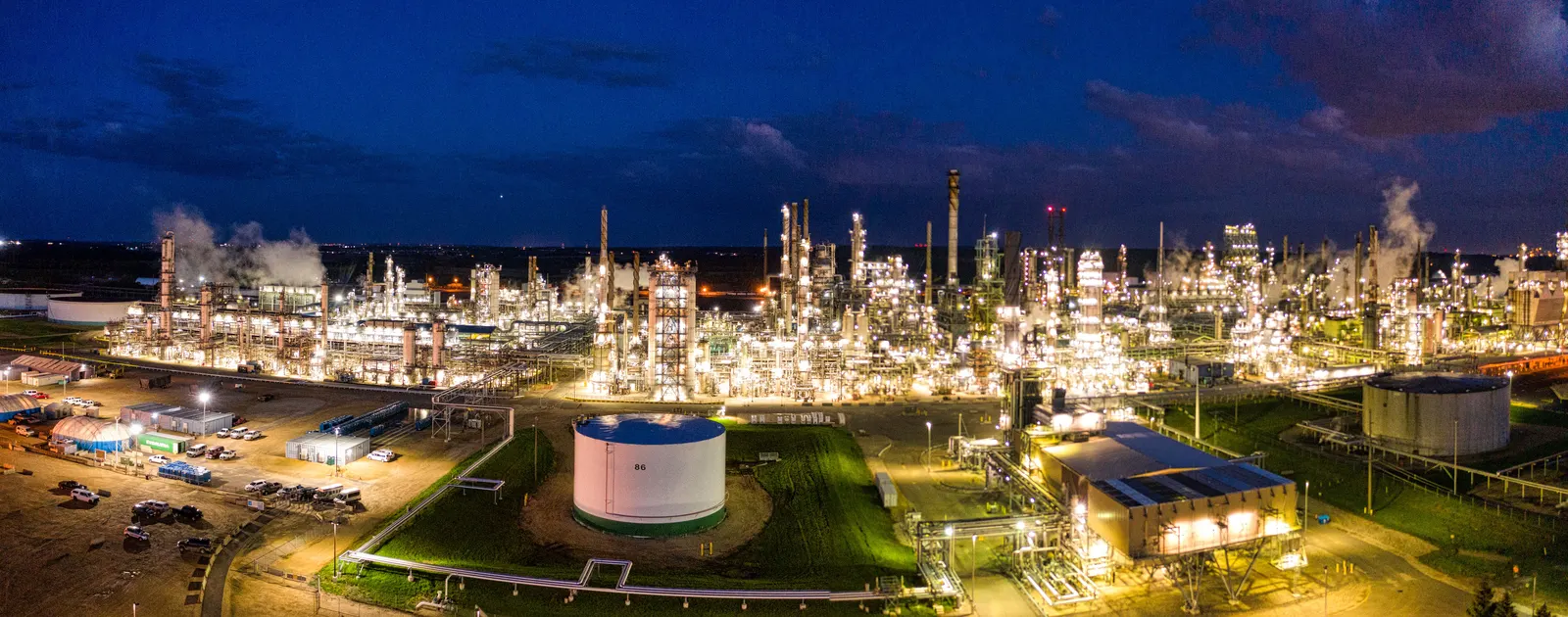
Scrap recovery for refineries and petrochemical plants.
- Where we work
- Process units in turnaround, workshops and laydown yards
- How we fit in
- Bins and crews mobilised to your shutdown plan, with alloys separated at the work front
- Scheduling
- Mobilised to your turnaround programme, with routine collections between shutdowns.
Overview
Turnarounds and shutdowns produce large volumes of scrap in short windows. Piping, valves, exchanger bundles and vessel internals come out fast, and laydown space is always limited.
Turnaround and shutdown scrap, piping, valves and exchanger bundles, cleared to your schedule with stainless and alloys kept apart.
We mobilise bins and crews to your turnaround schedule, agree laydown and loading points with your shutdown team, and clear material as it is released so it does not block the work front.
Carbon steel, stainless steel and high-value alloys are separated at source. Mixed bins are where alloy value is lost, so we plan segregation before the first flange is broken.
Between turnarounds, we run scheduled collections for maintenance scrap from workshops, stores and laydown yards.
Typical scrap streams on site
What we usually recover in this sector, where it comes from and how it is handled.
- Ferrous alloy
Carbon and stainless steel piping
- From:
- Process and utility lines replaced during turnarounds
- Handling:
- Segregated by material at the work front and graded separately at our yard
- Ferrous alloy
Heat exchanger bundles
- From:
- Retubed or replaced exchangers
- Handling:
- Released only once cleaned and certified by your team, then graded by tube material
- Mixed
Valves, flanges and fittings
- From:
- Valve change-outs and piping modifications
- Handling:
- Sorted into carbon steel, stainless and non-ferrous so each is valued on its own grade
- Non-ferrous
Cable and electrical scrap
- From:
- Electrical upgrades, motor replacements and instrument work
- Handling:
- Graded by conductor for stripping or granulation
Built around the turnaround schedule
A shutdown runs to the hour. We plan bins, crews and haulage before the first day so scrap never holds up the work front.
Shutdown planning
Bin positions, laydown and loading points agreed with your shutdown team in advance.
Released items only
Equipment is collected only after your team confirms it is drained, cleaned and released.
Clearing as work progresses
Bins swapped through each shift so material does not build up at the work front.
Crews to your standard
Inductions, gas testing and PPE to your plant rules, every shift.
What we keep separate
Material that is not scrap, or that loses value when mixed, never goes into a scrap load.
Stainless steel and nickel alloys
Kept out of carbon steel bins from the start, so alloy content is graded and valued as its own grade.
Contaminated equipment
Items with process residue, catalyst or insulation are not collected as scrap until your team has cleaned and released them.
Scheduled waste
Spent catalyst, sludge, oily waste and insulation are handled by licensed contractors, never mixed with scrap.
How it is documented
Records your procurement, HSE and audit teams can file.
- Weighbridge ticket for every load
- Turnaround close-out statement by grade and weight
- Delivery orders and transport records
- Certificates of disposal on request
Services for this sector
Each service can be contracted on its own or as part of one programme.
Decommissioning and asset recovery
Recovery of metal from retired facilities, vessels and equipment, appointed alongside your decommissioning contractor.
Chain of custody and reporting
Every load is weighed, ticketed and traced from your gate to the receiving mill, with reports your environment and audit teams can use.
Related materials
The grades this sector most often produces. Our materials page lists every stream we recover.
All materialsOther sectors in this group
Upstream, downstream and power: the operators with the strictest site rules and the heaviest scrap.
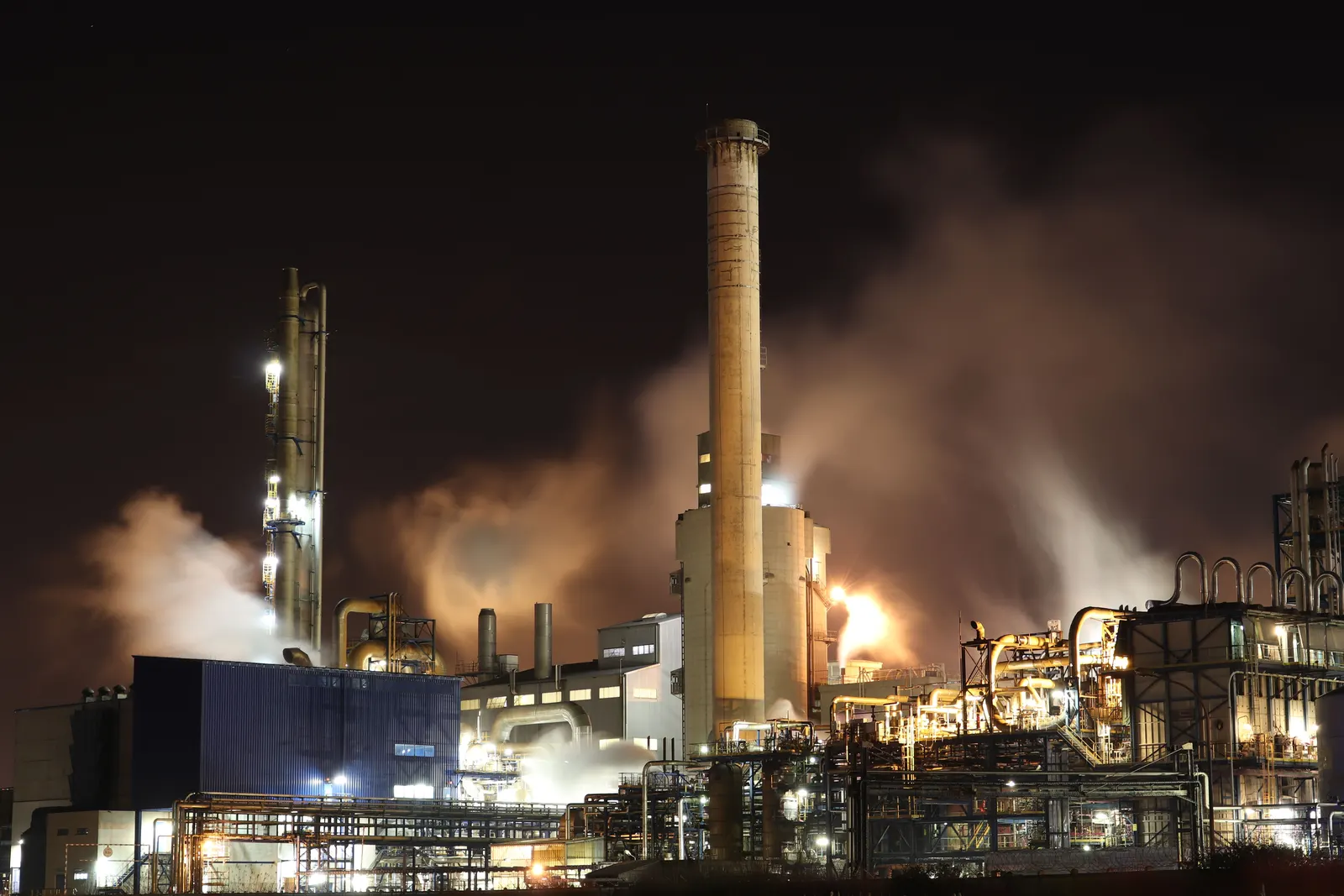
Appointing a contractor for turnaround scrap?
Send us the dates and scope, and we will propose bins, crews and segregation around them.