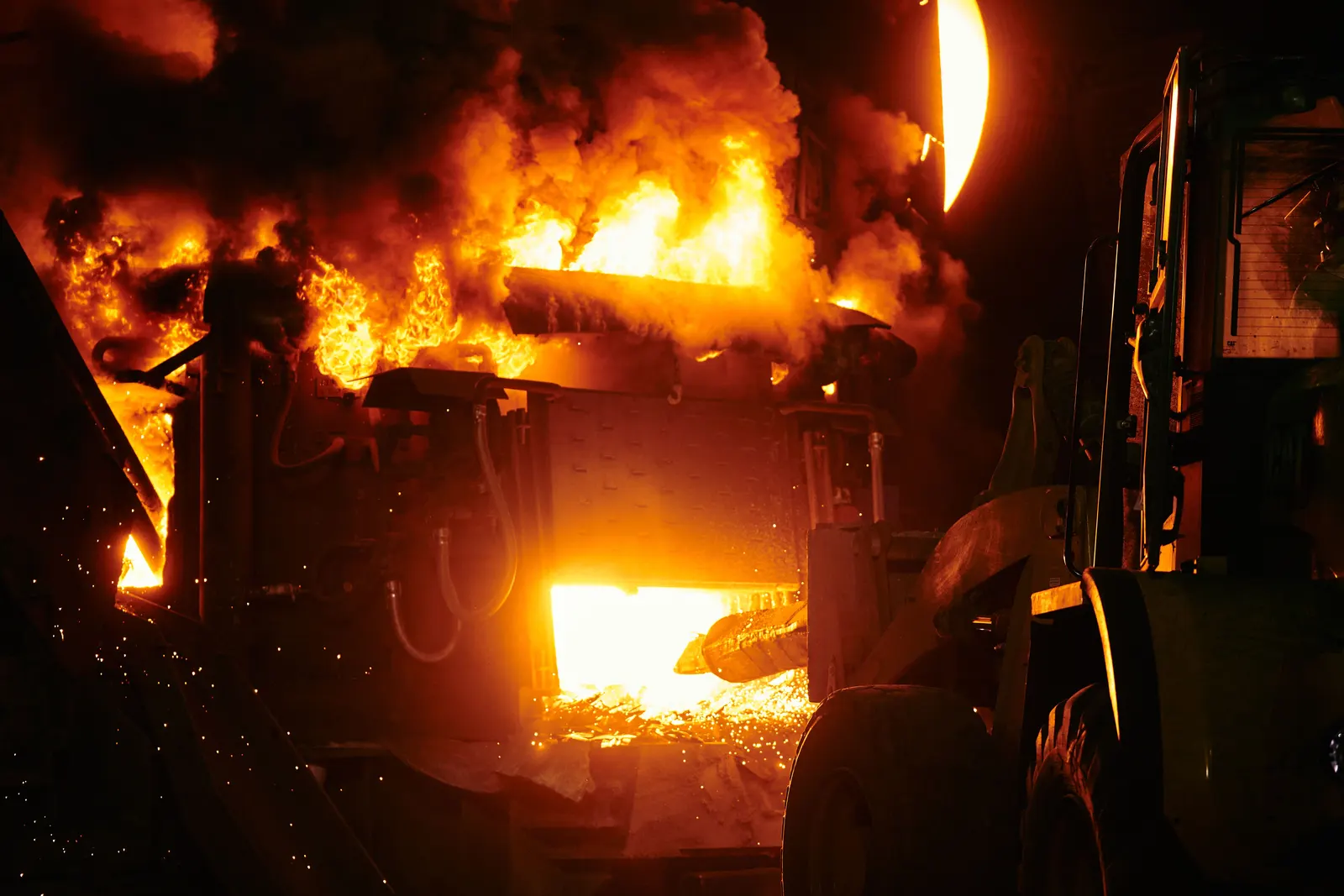
Scrap is the raw material for new steel.
Recycling your scrap through partner furnaces and steel mills keeps metal in use and reduces the need for newly mined raw materials.
- Where your scrap goes
- Partner furnaces and steel mills, melted into new metal
- Per tonne of steel scrap
- 1.5 t of CO2 emissions avoided
- For your reporting
- Records for recycling and Scope 3 reporting
From your site back into new metal.
Graded scrap is a raw material. At every stage the metal stays identified and on record, from the bin on your site to the furnace that melts it.
Your site
Scrap is segregated at source and collected on schedule.
Our yard
Weighed, graded by metal and prepared to mill specification.
Partner furnace
Graded scrap is melted down at partner furnaces and steel mills.
New metal
It goes back into industry as new steel and metal products.
New steel becomes tomorrow's equipment, and eventually tomorrow's scrap.
What one tonne of steel scrap saves.
For every tonne of scrap used in steel production, the World Steel Association reports these savings.
- CO2 emissions avoided
- 1.5 t
- Iron ore not consumed
- 1.4 t
- Coal not consumed
- 740 kg
- Limestone not consumed
- 120 kg
Source: World Steel Association, "Scrap use in the steel industry" fact sheet, May 2021.
Steel can be recycled again and again
Recycled steel keeps the properties of the original steel, so scrap can be used to make any new steel product.
Electric furnaces can run on scrap alone
Electric steelmaking can melt charges of up to 100% scrap to make new steel.
Every steel plant is a recycling plant
Scrap is part of the raw material mix in every steelmaking process.
Records your sustainability team can use.
Our records follow each load from your gate to the partner furnace or mill, so the tonnes you send for recycling can be counted in your recycling and Scope 3 reporting.
Chain of custody and reporting| Document | What it records | How your team can use it |
|---|---|---|
| Weighbridge ticket | Gross, tare and net weight of every load, with date, vehicle and grade. | Tonnes sent for recycling, per site and per grade. |
| Delivery order and transport record | Who moved each load, when, and where it was delivered. | Chain of custody from your gate to our yard and on to the receiving mill. |
| Monthly tonnage and value statement | Every load in the month by grade, weight and value. | Monthly and annual recycling totals for environmental and sustainability reports. |
| Chain-of-custody record | Each load traced from your gate to the partner furnace or mill. | Evidence for recycling figures and Scope 3 reporting. |
| Certificate of disposal | Confirmation that a load or batch was recycled, issued on request. | Audit files and close-out of decommissioning projects. |
Environmental controls on every job.
Recycling only counts if the rest of the job is clean. These controls apply on every site we work on.
Segregated at source
Metals are separated by grade on your site, which keeps them clean enough to recycle and keeps other waste out of the scrap stream.
Scheduled waste to licensed handlers
Oily sludge, batteries and asbestos-lagged pipe are separated on site and routed to licensed handlers. They are never mixed with scrap.
Documented movements
Every movement is documented from site to yard to mill, so no load is unaccounted for.
Zero illegal dumping
Every load is accounted for on paper and by weight. Nothing collected from your site ends up on empty land.
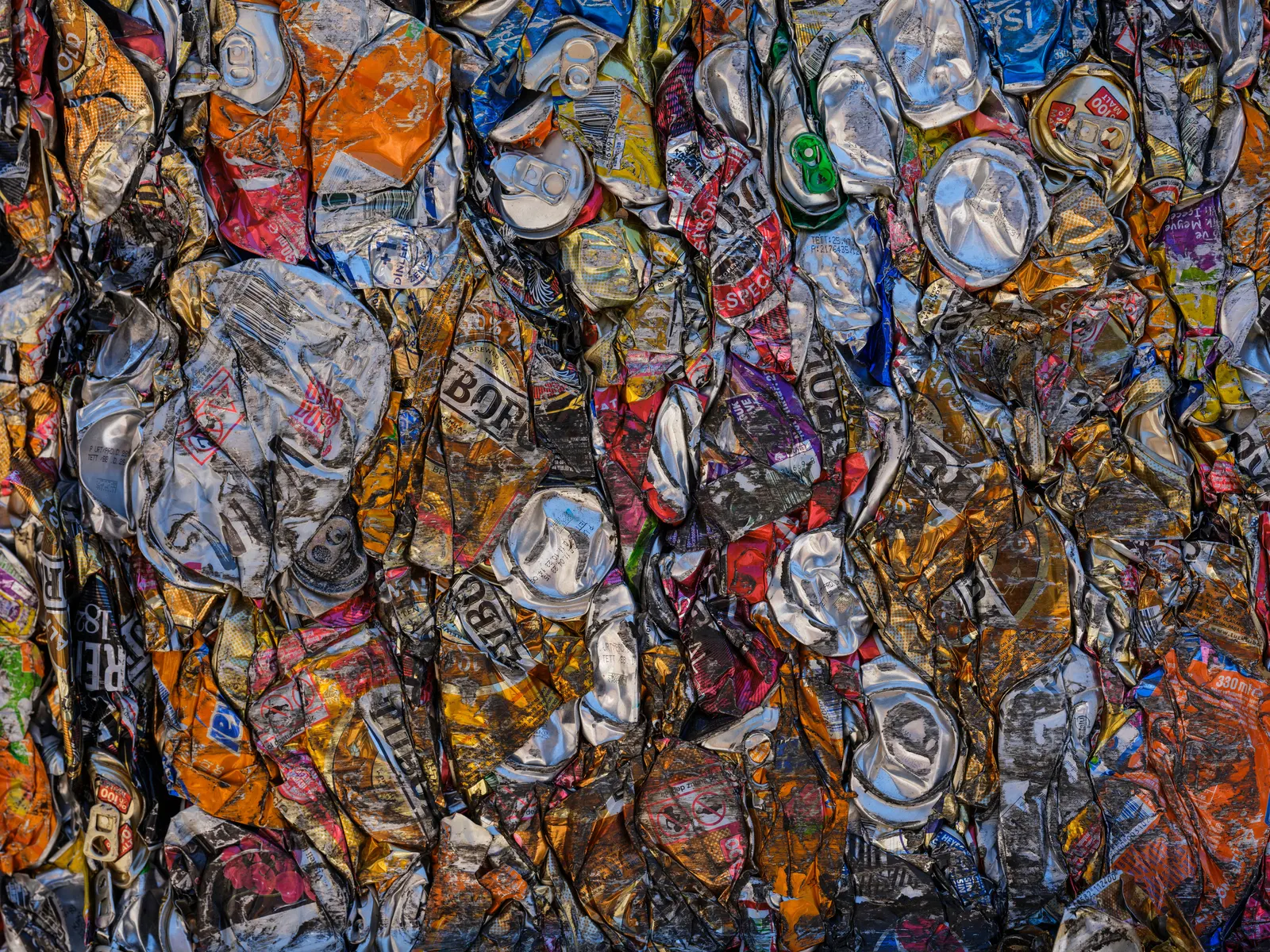
Ending scrap dumping in Malaysia.
Much of the scrap metal trade in Malaysia has run informally, with transactions recorded offline or not at all. That makes the trade hard to trace, and too much scrap ends up dumped on empty land, where it harms communities and the environment.
Myscrap was set up to change that: to give operators one accountable partner, appointed by contract, that recovers, processes and records their scrap so the movement of material can be proven.
For our clients, that means a disposal route they can stand behind. Scrap that leaves your site is weighed, recorded and recycled, and the paperwork shows it.

Appoint one accountable partner for your scrap.
For invitations to bid, site scrap programmes and decommissioning projects across Peninsular Malaysia.