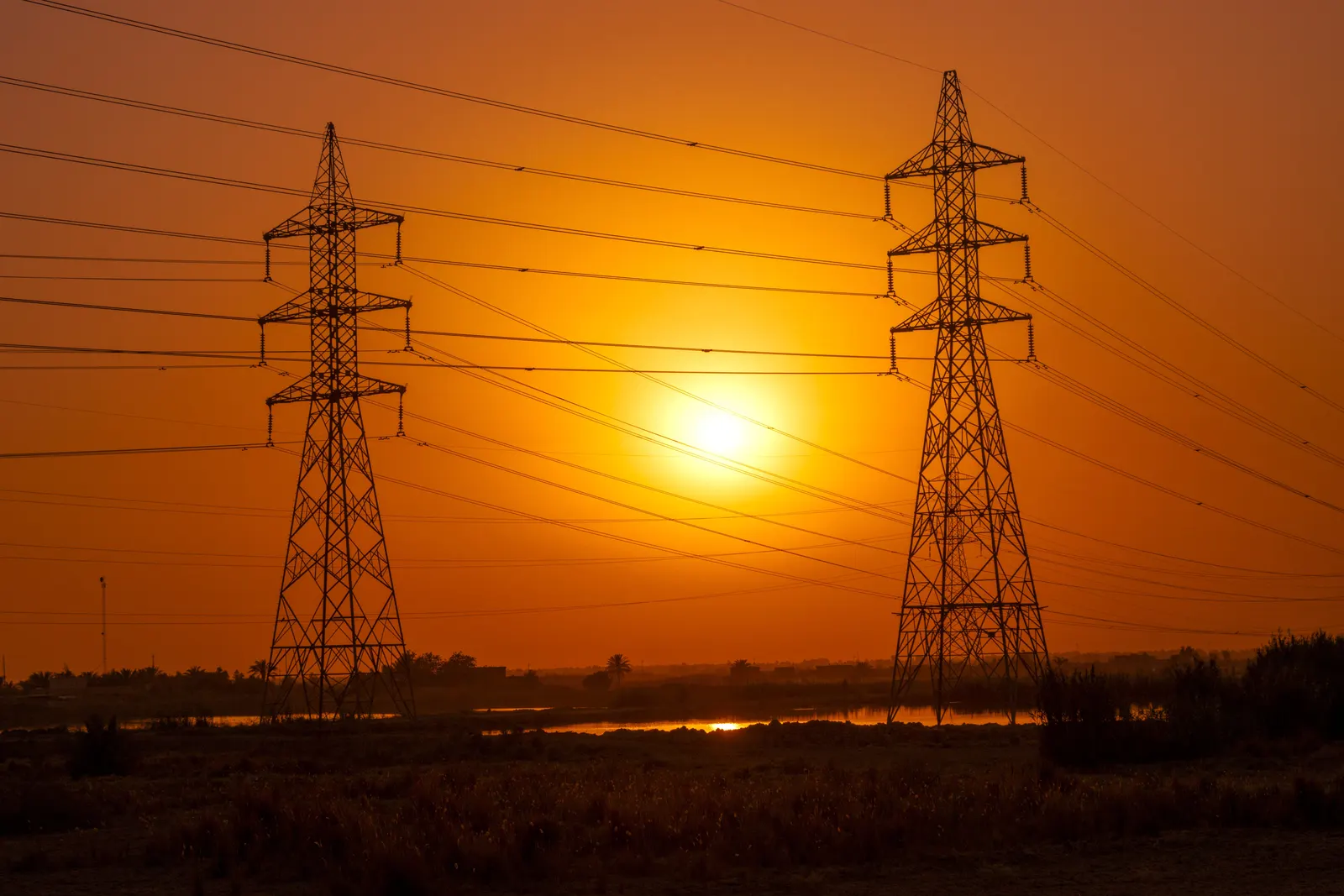
Scrap recovery for power and utility networks.
- Where we work
- Substations, network depots and power stations
- How we fit in
- Access only under your authorisation system, with released equipment collected and graded by conductor
- Scheduling
- Collections from depots on a fixed schedule, and project work timed to outages and network upgrades.
Overview
Network upgrades and plant overhauls release copper and aluminium cable, conductors and retired electrical equipment. These are among the most valuable scrap streams there are, and among the most exposed to loss when they are not tracked.
Cable, conductors, transformers and switchgear from generation, transmission and distribution, collected from substations, depots and plant sites.
We collect from substations, stores, depots and plant sites to your access rules, including work on or near live installations under your authorisation system.
Copper and aluminium are graded separately, and cable is graded by conductor and insulation, so the value of each drum and offcut is recognised.
Transformer oil and other scheduled waste are separated and routed to licensed handlers, and every load is recorded so retired assets can be written off with a clear trail.
Typical scrap streams on site
What we usually recover in this sector, where it comes from and how it is handled.
- Non-ferrous
Copper and aluminium cable and conductors
- From:
- Cable replacement, reconductoring and drum offcuts
- Handling:
- Graded by conductor and insulation, then stripped or granulated
- Mixed
Transformers, switchgear and busbars
- From:
- Retired distribution and power transformers, panels and busbar systems
- Handling:
- Collected once drained and released, then dismantled into copper, aluminium and steel
- Ferrous
Steel towers, poles and structures
- From:
- Tower replacement, line diversions and substation rebuilds
- Handling:
- Cut to transport size and recorded separately from electrical scrap
- Ferrous alloy
Turbine and plant components
- From:
- Power station overhauls and equipment replacement
- Handling:
- Graded by alloy so high-value components are not downgraded to heavy steel
Working to your authorisation rules
Substations and plant sites carry electrical hazards that general scrap contractors are not used to. Our crews work only where your authorised person allows.
Access by authorisation
Entry to substations and plant areas only with your permits and an authorised escort where required.
Released equipment only
Electrical equipment is collected after your team has isolated, drained and released it.
Graded by conductor
Copper and aluminium weighed and graded separately so every kilo is valued correctly.
Asset write-off trail
Records that link retired assets to weighed loads, for your fixed asset register.
What we keep separate
Material that is not scrap, or that loses value when mixed, never goes into a scrap load.
Transformer oil and PCB equipment
Insulating oil and any equipment suspected to contain PCBs are scheduled waste, routed to licensed handlers and never mixed with scrap.
Copper and aluminium
Kept in separate bins and graded separately, since mixing the two lowers the value of both.
Batteries and electronics
Station batteries and electronic control equipment are scheduled waste and handled by licensed contractors.
How it is documented
Records your procurement, HSE and audit teams can file.
- Weighbridge ticket for every load
- Weights by grade: copper, aluminium and steel
- Records linking retired assets to collected loads
- Certificates of disposal for written-off equipment
Services for this sector
Each service can be contracted on its own or as part of one programme.
Decommissioning and asset recovery
Recovery of metal from retired facilities, vessels and equipment, appointed alongside your decommissioning contractor.
Segregation and processing
Mixed loads graded by metal and specification, so non-ferrous content is valued correctly and nothing is downgraded.
Chain of custody and reporting
Every load is weighed, ticketed and traced from your gate to the receiving mill, with reports your environment and audit teams can use.
Related materials
The grades this sector most often produces. Our materials page lists every stream we recover.
All materialsOther sectors in this group
Upstream, downstream and power: the operators with the strictest site rules and the heaviest scrap.
Retiring cable, transformers or switchgear across your network?
Request a proposal for collection from your depots and substations, with each asset recorded for write-off.