Scrap recovery for ports, terminals and shipyards.
- Where we work
- Terminals, supply bases and shipyards
- How we fit in
- Collections timed to berth windows and gate traffic, under your port security rules
- Scheduling
- Collections planned around berth windows and yard operations, on a fixed schedule or on call.
Overview
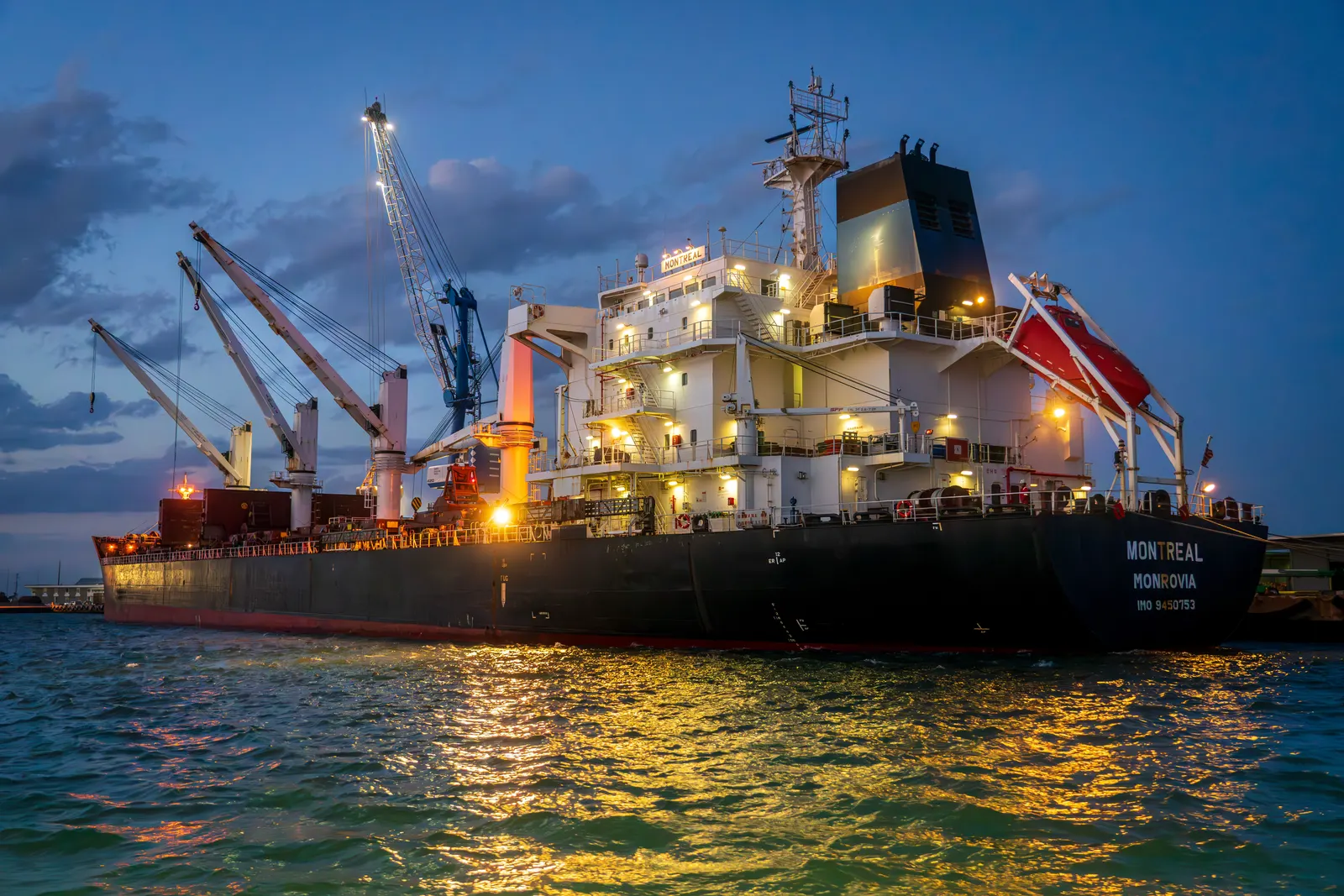
Ports and marine operators need scrap cleared without disrupting berths, stacks and yards. Space on a quay is valuable, and a pile of retired chain or a dismantled crane is space that cannot be used.
Mooring chain, wire rope and retired handling equipment cleared from supply bases, terminals and shipyards without disrupting berths and yards.
We schedule collections around your berth and yard operations, place bins where they do not obstruct traffic, and work to your port security and access rules.
Mooring chain, wire rope and retired handling gear are heavy, awkward and often stored for years. We cut and load them to an approved plan and record each movement.
At shipyards and repair yards, we run scheduled collections for steel offcuts, retired fittings and aluminium from vessel work.
Typical scrap streams on site
What we usually recover in this sector, where it comes from and how it is handled.
- Ferrous
Mooring chain and wire rope
- From:
- Retired moorings, rigging and crane ropes
- Handling:
- Cut and loaded to an approved lifting plan and graded as heavy steel
- Ferrous
Retired cranes, gangways and handling gear
- From:
- Quay cranes, spreaders, gangways and yard equipment at end of life
- Handling:
- Dismantled and cut on site in an agreed area, with non-ferrous parts recovered separately
- Non-ferrous
Aluminium from vessels and walkways
- From:
- Gangways, walkways, superstructure and hull work
- Handling:
- Kept separate from steel and graded as aluminium
- Mixed
Mixed yard scrap
- From:
- Workshops, stores and general port maintenance
- Handling:
- Collected in labelled bins and sorted by metal at our yard
Cleared without stopping the port
Berths, stacks and gates keep moving while we work. Collections are timed to your operations and every movement is on record.
Timed to operations
Collections planned around berth windows, shift changes and gate traffic.
Port access and permits
Drivers and crews cleared to your port security rules before entry, with hot work under permit.
Heavy item handling
Chain, rope and crane sections cut and lifted to an approved plan.
Every movement recorded
Each load ticketed at the weighbridge, with transport records from your gate.
What we keep separate
Material that is not scrap, or that loses value when mixed, never goes into a scrap load.
Oily and contaminated items
Bilge residue, oily rags, filters and paint waste are scheduled waste and handled by licensed contractors.
Aluminium and non-ferrous fittings
Kept apart from steel so their value is not lost in heavy steel loads.
Non-metal debris
Timber, rope fibre and rubber fenders are kept out of scrap bins.
How it is documented
Records your procurement, HSE and audit teams can file.
- Weighbridge ticket for every load
- Delivery orders and transport records from your gate
- Monthly tonnage and value statement by site
- Certificates of disposal for retired equipment
Services for this sector
Each service can be contracted on its own or as part of one programme.
Decommissioning and asset recovery
Recovery of metal from retired facilities, vessels and equipment, appointed alongside your decommissioning contractor.
On-site scrap management
A scrap programme for your supply base, port, plant or yard, with bins, scheduled collections and records under one contract.
Related materials
The grades this sector most often produces. Our materials page lists every stream we recover.
All materialsOther sectors in this group
Ports, rail, construction, data centres and airports, where scrap has to move without disrupting operations.
- Infrastructure
Rail
Rail, wheels, axles and retired rolling stock from depots and track renewals.
- Infrastructure
Construction and demolition
Rebar, structural steel and formwork from building sites and demolition.
- Infrastructure
Data centres and telecoms
Racks, cable, cooling plant and towers from data halls and telecom networks.
- Infrastructure
Airports and aviation
Ground support equipment, structures and refit metal from airports and hangars.

Appointing a scrap contractor for a terminal, base or shipyard?
Tell us about the site and what is stored, and we will propose a programme planned around your operations.