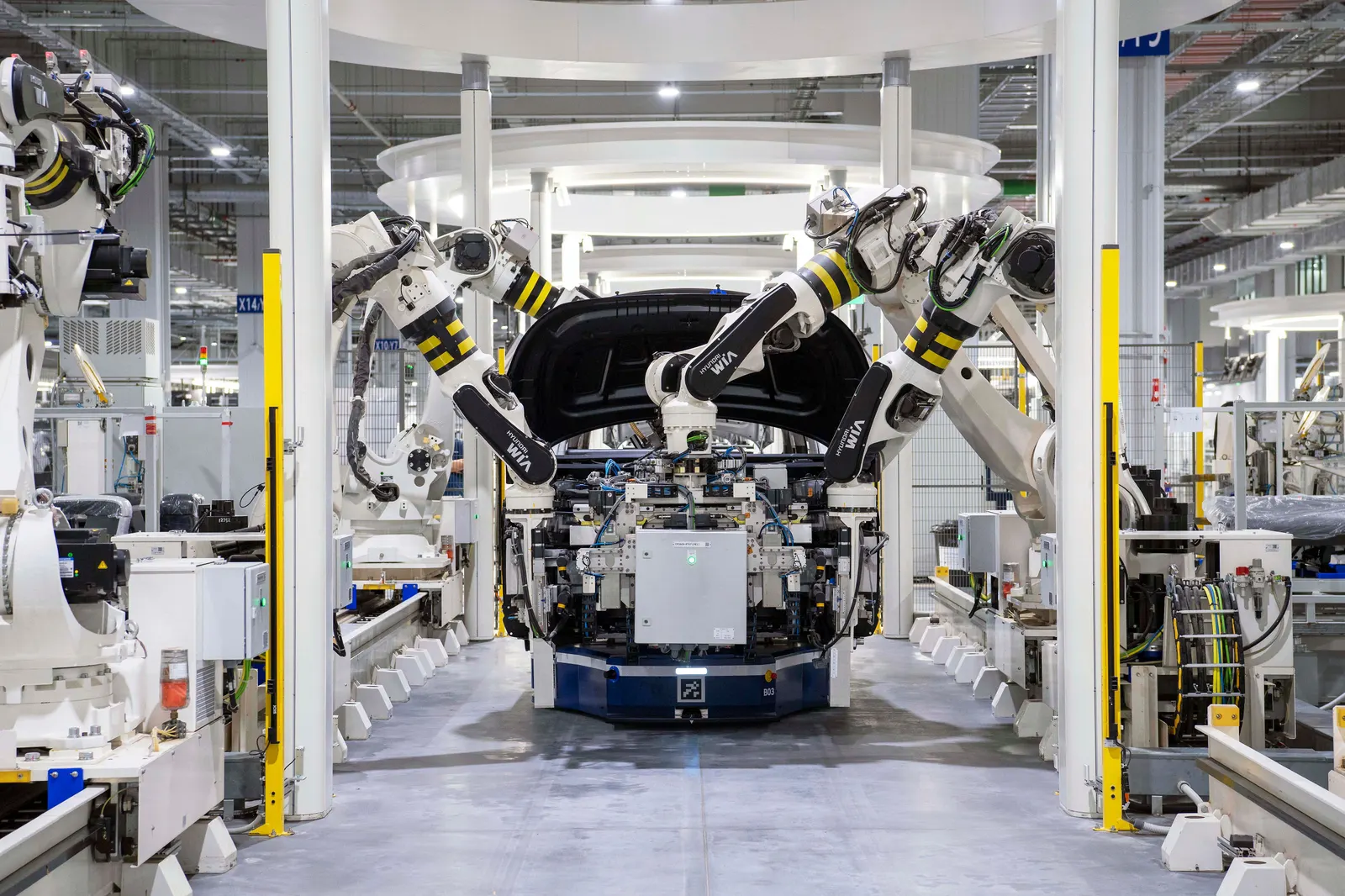
Scrap recovery for vehicle plants and the automotive trade.
- Where we work
- Press shops, supplier plants and workshops
- How we fit in
- Bins swapped to your shift pattern, with production steel graded on its own
- Scheduling
- Bins swapped on a fixed schedule matched to production, with on-call collections for workshops.
Overview
Vehicle plants and their suppliers produce clean, high-value new steel every shift, while workshops and dealerships collect end-of-life parts. Production scrap only holds its full value if it stays clean and sorted.
Press-shop offcuts, production scrap and end-of-life vehicles, graded to keep the value of clean new steel.
At plants, we place bins at press lines and production areas and swap them on a fixed schedule, so the floor stays clear and the line never waits for a collection.
Press-shop offcuts and skeleton are graded as new production steel, aluminium castings and wheels as aluminium, and engine blocks and drivetrain parts by their own grade.
For workshops, dealerships and end-of-life vehicles, batteries, fluids and other scheduled waste are separated for licensed handlers before the metal is recovered.
Typical scrap streams on site
What we usually recover in this sector, where it comes from and how it is handled.
- Ferrous
Press-shop offcuts and skeleton
- From:
- Stamping and blanking lines
- Handling:
- Collected in dedicated bins and graded as new production steel
- Non-ferrous
Aluminium castings and wheels
- From:
- Casting rejects, machining and wheel replacement
- Handling:
- Kept apart from steel and graded by alloy type
- Mixed
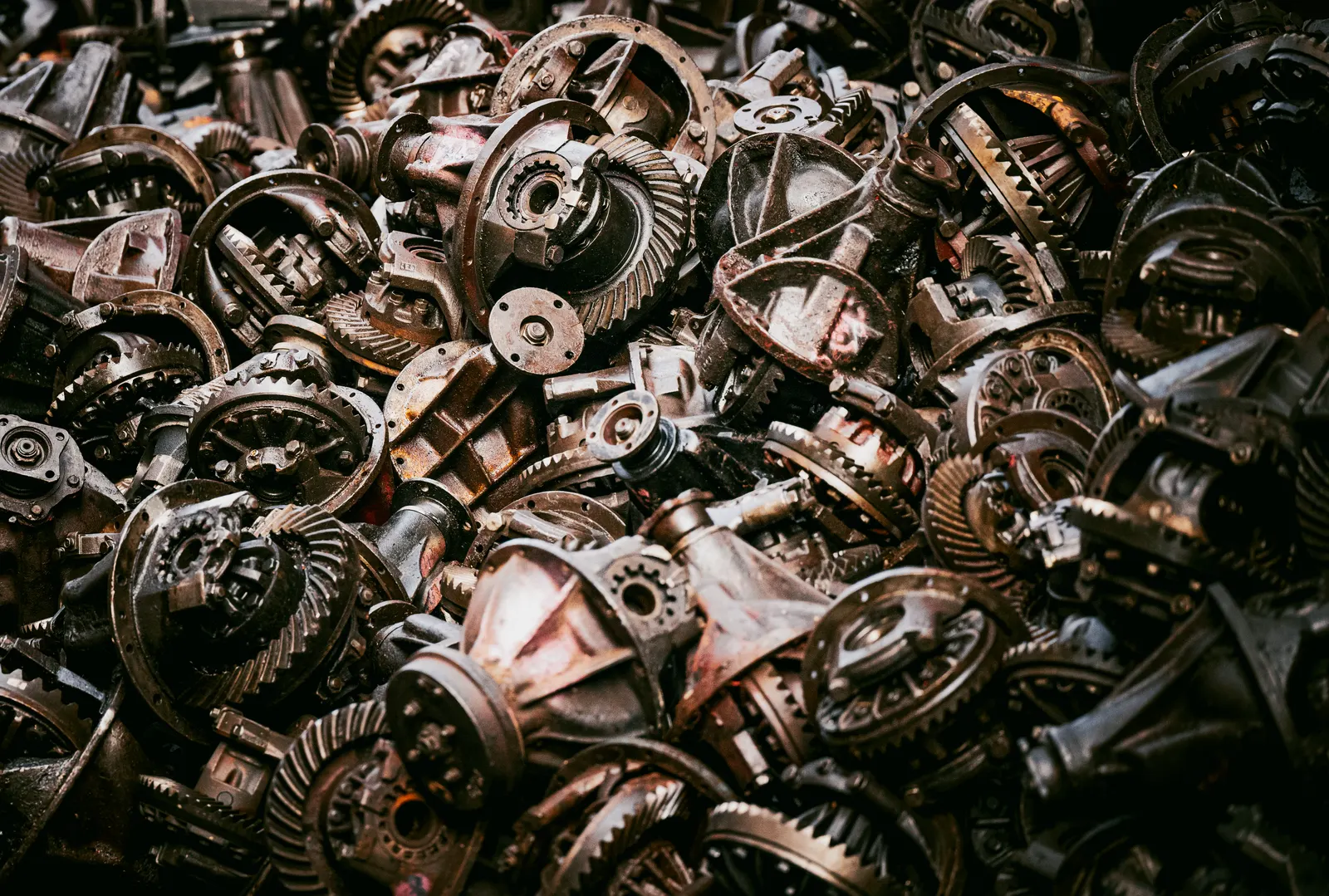
Engine blocks and drivetrain parts
- From:
- Remanufacturing, warranty returns and workshops
- Handling:
- Collected once drained, then graded as cast iron, steel or aluminium
- Mixed
End-of-life vehicles
- From:
- Dealerships, fleets and storage yards
- Handling:
- Depolluted before dismantling, with each vehicle recorded
Matched to the production line
A press line never stops for scrap. Bins are sized and swapped to your shift pattern, so clean steel stays clean and the floor stays clear.
Fixed swap schedule
Bins exchanged to your shift pattern, with extra swaps during peaks.
Clean grades kept clean
Production steel never mixed with old or contaminated scrap.
Plant rules followed
Drivers inducted to your traffic routes and pedestrian zones.
Monthly statement by grade
Tonnage and value per grade, ready for your finance team.
What we keep separate
Material that is not scrap, or that loses value when mixed, never goes into a scrap load.
Batteries and fluids
Lead-acid and traction batteries, oils, coolants and fuel are scheduled waste and go to licensed handlers.
Aluminium and castings
Kept apart from steel so their value is recognised.
Non-metal components
Plastics, glass and trim stay out of production steel bins.
How it is documented
Records your procurement, HSE and audit teams can file.
- Weighbridge ticket for every collection
- Monthly tonnage and value statement by grade
- Records per vehicle for end-of-life vehicles
- Figures for recycling and Scope 3 reporting
Services for this sector
Each service can be contracted on its own or as part of one programme.
On-site scrap management
A scrap programme for your supply base, port, plant or yard, with bins, scheduled collections and records under one contract.
Segregation and processing
Mixed loads graded by metal and specification, so non-ferrous content is valued correctly and nothing is downgraded.
Chain of custody and reporting
Every load is weighed, ticketed and traced from your gate to the receiving mill, with reports your environment and audit teams can use.
Related materials
The grades this sector most often produces. Our materials page lists every stream we recover.
All materialsOther sectors in this group
Plants, mills and mines that produce scrap every shift and need it graded so its value is kept.
- Industry
Fabrication and manufacturing
Offcuts, swarf, rejected stock and production scrap on a scheduled basis.
- Industry
Palm oil mills
Presses, boiler parts, tanks and conveyors from palm oil mills and estates.
- Industry
Mining and quarrying
Wear parts, crusher liners, conveyor steel and retired heavy equipment.
Looking for a production scrap programme?
Tell us about your lines and volumes, and we will propose bins, schedules and grades.